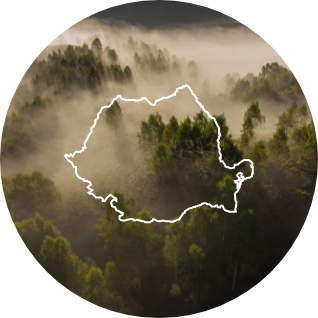
- Boreal climate
- Atlantic climate
- Mediterranean and continental climate
- Continental and Alpine climate
Boreal climate
- Mostly under private ownership (60%), excluding companies
- State forest service is responsible for actively managed forests and conservation areas
- The forest industry, as well as NVVFPs, recreation, and GHG balance for climate neutrality are of high importance
- 106,000 people are employed by the forest-based bioeconomy
- There is increasing productivity, a moderate increase in disturbances and challenges to mobilise wood under climate change
- The approach to protection of forests is fairly segregated
- Management focuses on production and considers biodiversity following certification standards
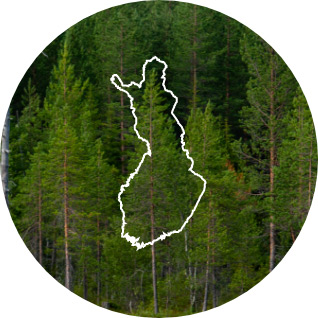
Atlantic climate
- Mix of private (52%) and state owners (48%)
- Low economic importance for the industry, but high for climate change mitigation, recreation and other services
- 86,000 people are employed by the forest-based bioeconomy
- There is an increased risk of droughts and occasional wildfires, as well as loss of vitality by combined impacts of climate change and high nitrogen deposition
- 1/3 of forests have biodiversity as the main focus, otherwise, there is an integrated approach
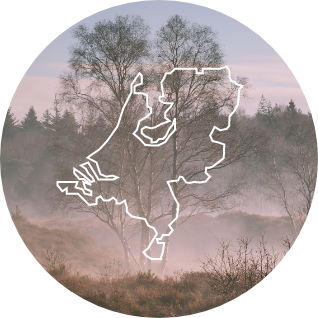
Mediterranean and continental climate
- Mostly under private ownership (66%)
- Associations are being established as ownership becomes more regulated
- Medium importance to the forest industry, with large differences between regions
- High importance for protection (35% of the total forest area) and NIFPs
- 440,000 people are employed by the forest-based bioeconomy
- There is decreasing productivity and a strong increase in wildfire risk
- Segregated approach to forest protection
- A recent decree introduces important innovations for NWFPs, biodiversity and sustainability
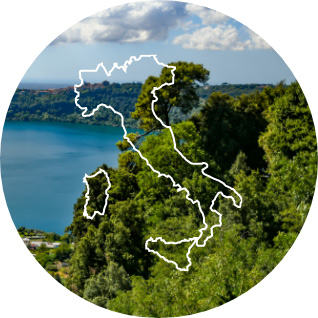
Continental and Alpine climate
- Over 48% of state-owned forests
- The management is fully regulated by the state
- Medium importance to the industry, high importance for NWFP
- Around 3.5 million households rely on wood for heating
- 257,000 people are employed by the forest-based bioeconomy
- Climate change and natural disturbances have had limited impacts so far
- Management aims to increase stand stability by enforcing natural forest types
- Well-connected forested landscapes with significant tracts of old-growth forests and big large carnivore populations